
Building a personal brand doesn’t happen by accident — it’s the result of reflection, strategy, and consistency. Whether you’re a business owner, coach, or professional, you need structured exercises to uncover what makes you unique and communicate it clearly.
These personal branding exercises will help you define your identity, refine your message, and align your actions with your goals. By the end of this guide, you’ll have practical tools you can use to start building your personal brand with confidence and direction.
Key Takeaways
- Personal branding exercises create clarity, confidence, and consistency.
- Reflection and structure help uncover your unique value and story.
- Regular brand work boosts trust and authority with your audience.
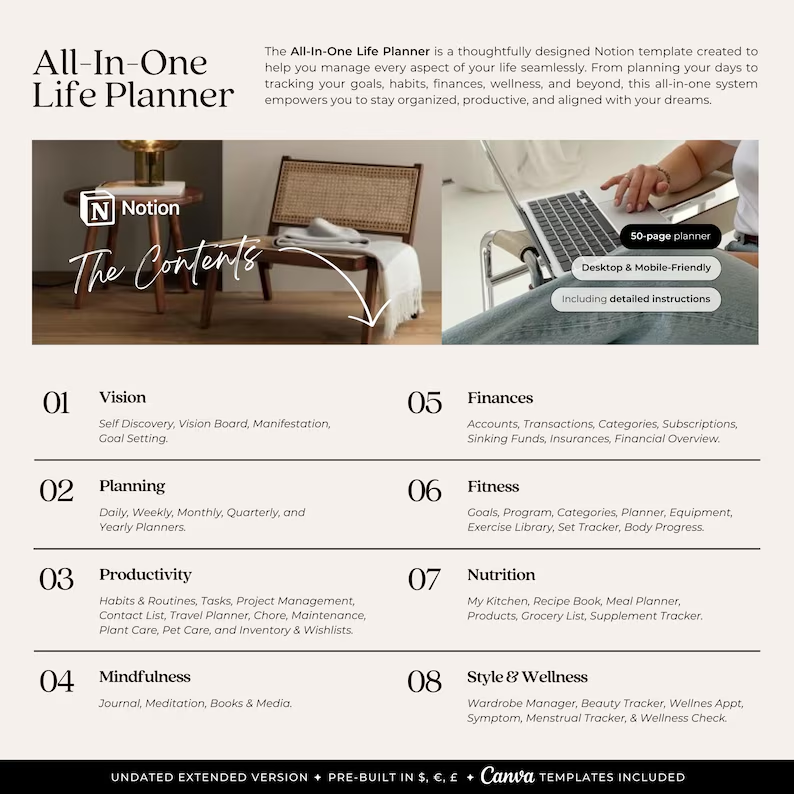
- Tools like the All-in-One Life Planner Template from Plan My Personal Brand help organize and track your growth.
- In 2026, intentional brand exercises are essential for standing out online.
Why Personal Branding Exercises Matter
Personal branding exercises are not just self-reflection tools — they’re strategic frameworks that help you:
- Understand your unique strengths and story
- Build a brand identity aligned with your values
- Communicate your expertise consistently
- Attract the right audience and opportunities
When done consistently, these exercises help you evolve with your goals and ensure your public image stays authentic and intentional.
1. The Self-Discovery Audit
Start by identifying who you truly are and what you stand for. Write down your:
- Core values
- Strengths and weaknesses
- Passions and motivators
- Skills that set you apart
Pro Tip: Use your All-in-One Life Planner Template to create a “Brand Identity” section. Track updates as your career and goals evolve.
2. The Personal Brand Story Exercise
Craft your story — where you started, what challenges shaped you, and how you’ve grown. This exercise builds emotional connection and trust.
Write your journey using this structure:
- Your beginning or inspiration
- The challenge you faced
- The transformation that followed
- The lessons learned and value you now provide
3. The 3-Word Brand Test
Ask colleagues or friends to describe you in three words. Compare their responses with how you want to be perceived.
This simple yet powerful branding exercise highlights alignment (or misalignment) between your self-image and public perception.
4. The Ideal Audience Map
Define your audience clearly. Write a short profile including:
- Who they are (age, profession, goals)
- Their challenges or aspirations
- What they value
- How your expertise helps them
This helps ensure your content, tone, and services attract the right people.
5. The Digital Presence Audit
Review your website, LinkedIn, Instagram, and other platforms. Ask:
- Do my visuals, tone, and message align?
- Is my “About” section clear?
- Does my profile show credibility and consistency?
Keep a checklist inside your Life Planner Template to track platform updates and ensure uniform messaging.
6. The Vision Board Exercise
Create a digital or physical board of visuals that represent your future brand — the lifestyle, audience, and impact you want to create.
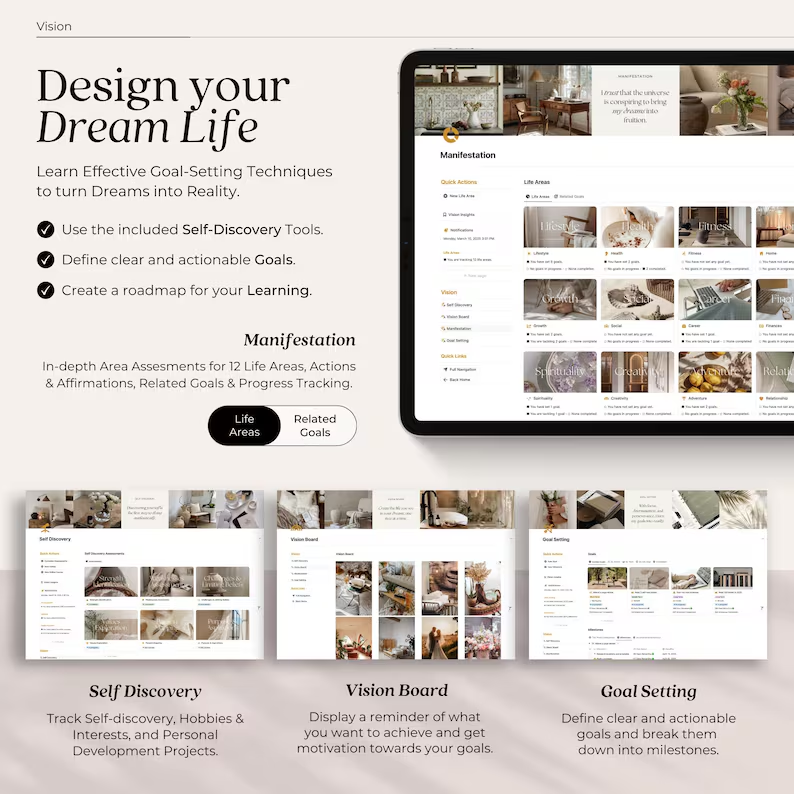
This visualization keeps you inspired and focused. You can use the goal-setting and vision tracker pages inside your All-in-One Life Planner Template to bring your ideas to life.
7. The Elevator Pitch Practice
Write a 1–2 sentence summary that explains who you are, what you do, and how you help others. Example:
“I help entrepreneurs and professionals build personal brands that attract clients and opportunities through clarity, consistency, and strategy.”
Practice saying it naturally until it feels authentic.
8. The Content Pillar Exercise
Define your top 3–5 content themes that reflect your expertise. For example:
- Leadership mindset
- Personal growth
- Entrepreneurship
- Branding strategy
- Productivity
Then, map your upcoming posts in your Life Planner Template so you stay consistent across all platforms.
9. The Reputation Reflection
Search your name on Google and social media. What shows up? What doesn’t?
Ask yourself:
- Does this reflect the professional identity I want?
- What can I improve or add to strengthen credibility?
This helps you stay aware of your digital footprint and refine your public image over time.
10. The Consistency Challenge
Choose one key branding activity — such as posting valuable content, networking, or sharing testimonials — and do it consistently for 30 days.
Track results and adjust your strategy weekly using your All-in-One Life Planner Template. Over time, this creates momentum and measurable progress.
How to Implement These Exercises
- Set aside 30 minutes weekly to revisit your brand strategy.
- Document your findings in a dedicated branding section of your planner.
- Measure growth — engagement, connections, clarity, and confidence.
- Evolve your message as your goals or audience shift.
Personal branding isn’t static — it’s a living reflection of who you are becoming.
Common Mistakes to Avoid
- Trying to be everything to everyone.
- Copying other people’s brand styles.
- Ignoring offline reputation or client feedback.
- Not tracking your brand progress consistently.
Your brand is strongest when it’s authentic, focused, and measurable.
FAQ
1. What are personal branding exercises?
They are structured activities that help you define your identity, clarify your message, and align your goals with your public image.
2. How often should I do personal branding exercises?
Review your brand quarterly or during major life or business shifts to stay aligned and relevant.
3. Which personal branding exercise is most effective?
The Self-Discovery Audit and Brand Story Exercise build the strongest foundation for long-term credibility and trust.
4. Can I use digital tools for personal branding exercises?
Yes! Tools like the All-in-One Life Planner Template from Plan My Personal Brand help you organize goals, track progress, and maintain clarity.
5. Are personal branding exercises only for entrepreneurs?
No — anyone looking to grow their professional identity, reputation, or influence can benefit from them.
Final Thoughts
In 2026, your personal brand is your most valuable business asset. These 10 personal branding exercises are designed to help you discover who you are, communicate your story with confidence, and build meaningful trust with your audience.
Start small, stay consistent, and use tools like the All-in-One Life Planner Template from Plan My Personal Brand to keep your brand strategy organized and intentional.
And if you’re ready for personalized guidance, book a consultation to refine your brand strategy, clarify your message, and grow your visibility faster.
Your personal brand doesn’t just represent what you do — it represents who you are becoming. Define it, strengthen it, and share it boldly in 2026.